Update 42.2 went live on July 14, and it’s the rare PUBG patch built around the people who don’t play PUBG yet. The centerpiece is a rebuilt Basic Training: a 17-chapter walkthrough with NPC guidance that runs about ten minutes and hands you a Clear Rank badge at the end, backed by a separate 14-day Beginner Training track that feeds new accounts daily missions. This is a retention patch at heart — the devs are chasing first-week drop-off, not another weapon tweak.
There’s still plenty here for the rest of us. Hot Drop comes back for a limited run, a new first-person Solo Deathmatch gives ranked players a clean warmup loop, and both Taego and Rondo picked up changes worth studying. Console players get their own headline: a 120 FPS Framerate Priority mode.
The patch is live on Steam/PC and on consoles. One thing I can’t give you is a download size — the devs didn’t publish one, and I won’t invent a number to fill the blank. As for reaction, two-plus weeks in it splits the way you’d expect: newcomers finally have a real on-ramp, while veterans mostly want to know what Taego’s changes do to their drop routes. That’s my read as someone who follows the game closely, not a poll result.
Basic Training won’t teach the skill that actually wins games
Here’s the blunt version: the new Basic Training is a solid on-ramp for mechanics, and it sidesteps the skill that actually decides ranked matches. Seventeen chapters of controls, gunplay and survival fundamentals will stop new players from botching their first landing or forgetting to grab a helmet. What no tutorial in this game has ever taught — and this one doesn’t either — is the part I care about most: when to rotate, how to read the next circle, where to stand when a third party crashes the fight. Those are learned by dying repeatedly, not by following an on-screen prompt.
So the effect is narrow but real. The floor of the player base gets a bit more competent — fewer teammates who can’t heal under pressure, fewer opponents caught reloading in the open. The Clear Rank badge is the part I’m genuinely curious about. If matchmaking uses it to keep true beginners in softer lobbies for their first couple of weeks, that’s a quiet win for everyone: newcomers stop getting farmed, and the rest of us stop farming them by accident. If it’s just a cosmetic “you finished the tutorial” stamp, it changes nothing. Worth watching which one it turns out to be. If you’re new and trying to place where that badge sits, our
guide lays out the whole ladder.
What Basic Training actually contains
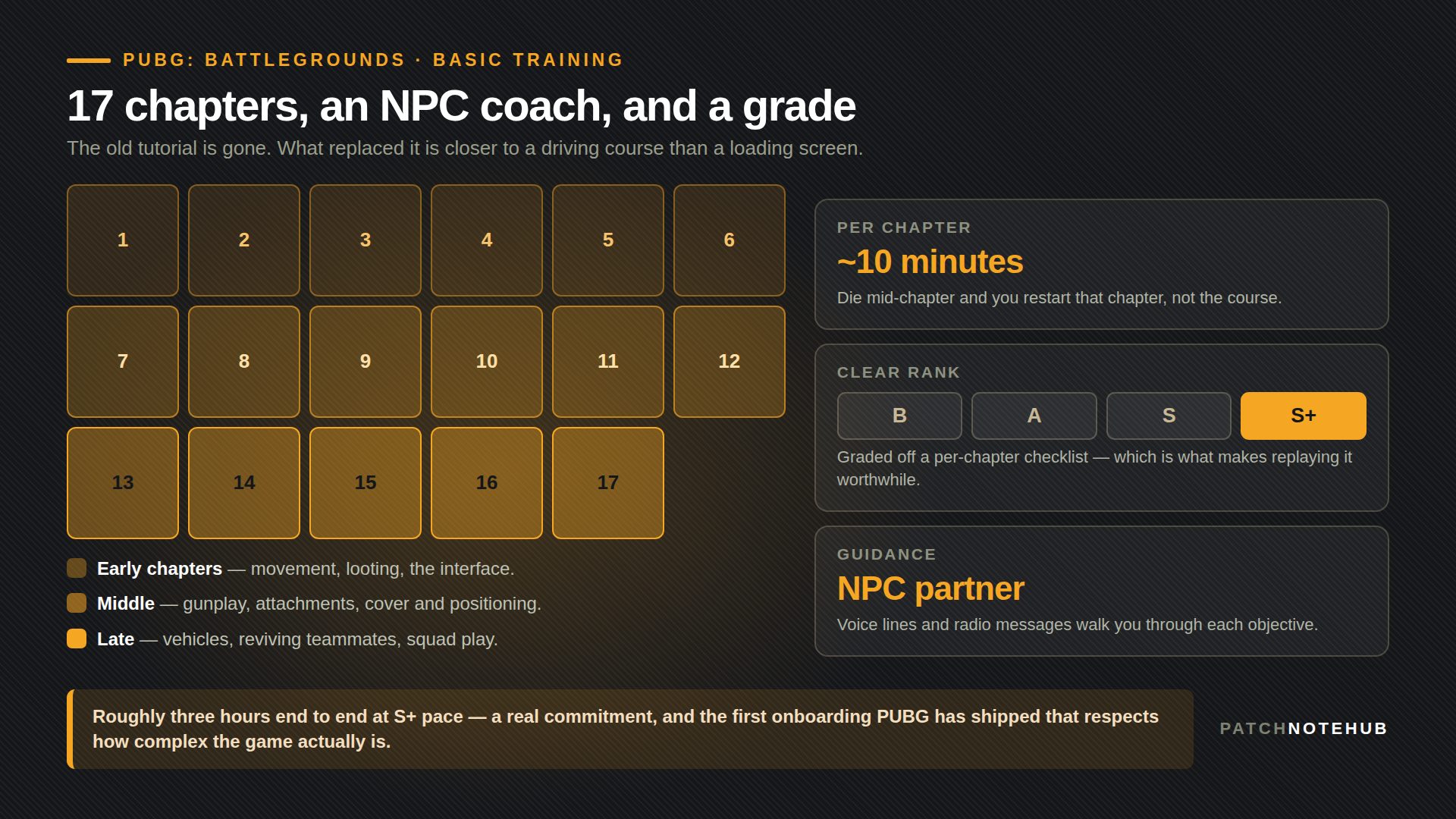
The specifics matter here, because “revamped tutorial” undersells what Krafton shipped. Basic Training is now 17 chapters, each roughly ten minutes, with an NPC partner giving voice guidance and radio callouts as you work through it.
Each chapter is graded. You get a Clear Rank of B, A, S or S+ based on a per-chapter checklist rather than simple completion, and you can replay individual chapters to improve the grade. Get eliminated part-way and you restart that chapter, not the whole course.
End to end at a decent pace that is close to three hours of structured teaching, covering movement and looting early, gunplay and positioning through the middle, and vehicles, reviving teammates and squad play at the end.
Three hours is a real ask of someone who has not bought into the game yet. But PUBG’s onboarding problem was never that new players lacked a tutorial — it was that the old one taught them to pick up a gun and then dropped them into a lobby with people who have played for six years. A graded course you can replay is at least aimed at the right problem.
Hot Drop and Solo Deathmatch are warmup tools in disguise
These two modes look like fan service. I’d file them under training. Hot Drop crams 24 to 64 players into a guaranteed brawl, which is the exact situation a positioning player like me spends a normal match trying to avoid — and that’s precisely why it’s good for you. If your close-range trading is shaky because you play the edge and third-party late, a mode that forces contested fights on repeat sharpens that faster than any aim-trainer routine. If you’re not sure what to prioritize in a chaotic hot landing, our See our PUBG Mobile weapon tier list for the current meta. covers which guns are worth diving for.
Solo Deathmatch is the one I’ll keep in my own routine. Ten to fourteen players, first-person only, ten-minute rounds — that’s a clean FPP warmup, and going solo means there’s no teammate to bail you out of a bad peek. It drills the micro layer: cover discipline, holding an angle, resetting after a trade instead of overcommitting. My honest expectation is that the low-to-mid ranked ladder feels a shade sharper within a month, once enough people fold this into their pre-game.
The map notes are the real ranked patch
If you queue ranked, forget the tutorial — the map changes are your patch. Taego’s reshaped areas and a modified Secret Room are the ones to study, because Taego is a map people play from memory. Regulars know which compounds feed which circles and roughly how a Secret Room contest unfolds. The notes don’t spell out every tweak, and I’m not going to pretend I know exactly what moved until it’s properly mapped, but “restructuring” plus altered Secret Room is enough to tell you the old muscle memory can’t be trusted. Expect a couple of messy weeks as drop spots get re-valued and lanes that used to be safe turn out contested again.
Once the dust settles, I’d bet Taego becomes the most-contested ranked map again while everyone re-solves it. If you want a head start, our
is where I’d begin re-scouting.
Rondo’s quality-of-life pass — smoother movement, cleaner looting — reads as minor and isn’t. On a map whose main complaint is dead time between fights, less friction moving and looting means you can rotate more aggressively and spend less of the match buried in your inventory. That subtly rewards proactive play over passive third-partying. Sanhok’s changes are performance rather than layout — frame-rate optimization on a small, dense map where fights come at you fast. Welcome, but it won’t reshape anyone’s strategy.
The loot-pool rebalance nobody is talking about
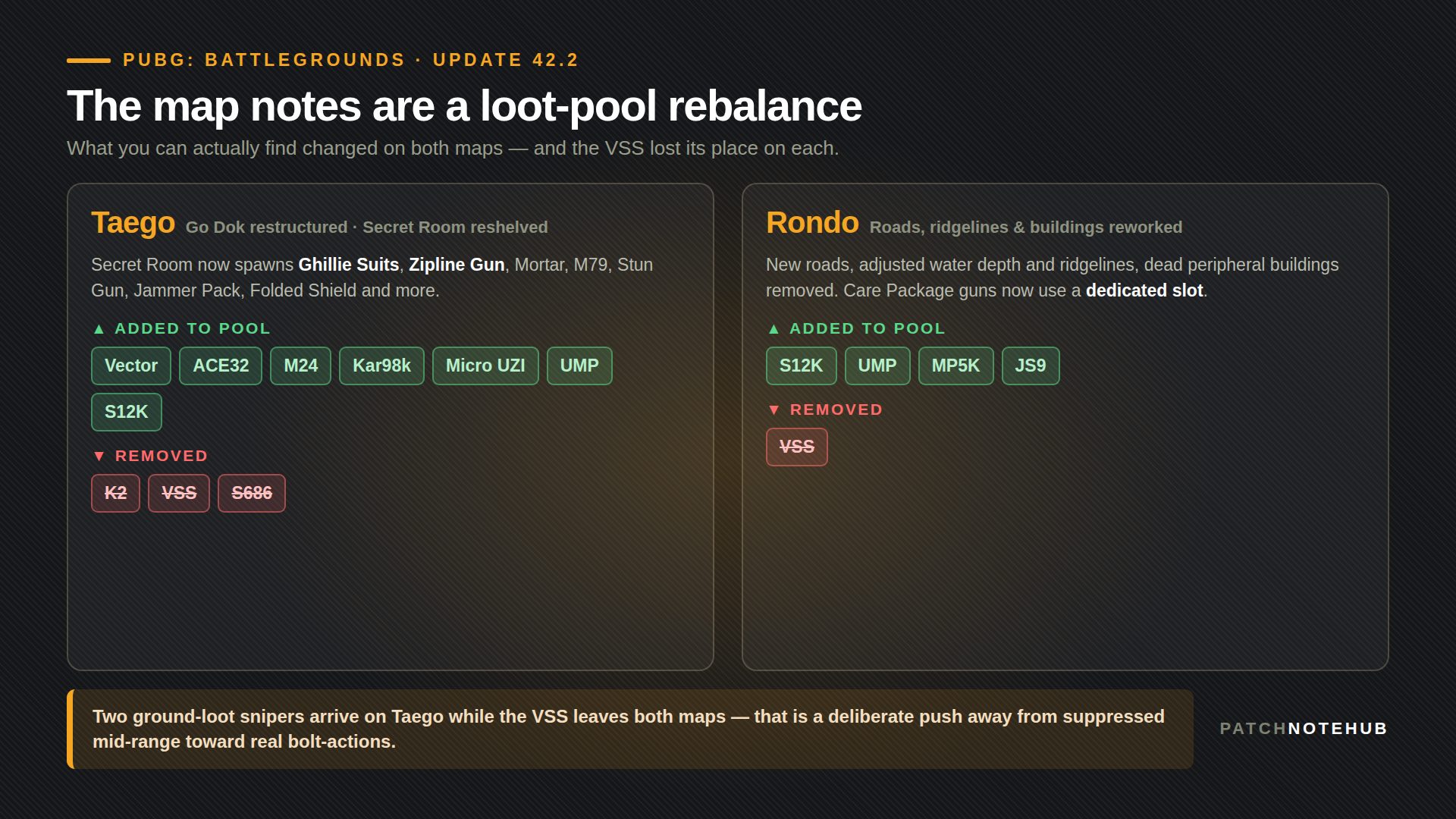
Buried in the map notes is a weapon-availability change on both maps, and it is more consequential for how matches play than any of the mode additions.
On Taego, the ground pool gains the Vector, ACE32, M24, Kar98k, Micro UZI, UMP and S12K, and loses the K2, VSS and S686. Two bolt-action snipers arriving as findable ground loot is a significant shift — it means long-range engagements no longer depend on winning a Care Package fight.
On Rondo, the pool gains the S12K, UMP, MP5K and JS9, and loses the VSS. Rondo’s Secret Room also changes behaviour: Care Package weapons now spawn only from a dedicated slot rather than mixing into general loot.
The pattern worth noticing is the VSS leaving both maps. Suppressed, scoped, low-recoil mid-range shooting is being pulled out while genuine bolt-actions are pushed in. That nudges mid-range fights away from a forgiving crutch weapon and toward guns that punish a miss — the same design instinct behind the Basic Training rework, aimed at skill expression rather than accessibility.
If you have a habitual drop spot on either map, its loot table is not what it was last month. That is the practical takeaway. For what is worth picking up on the mobile side of the franchise, our PUBG Mobile weapon tier list covers a separate but related meta.
Console’s 120 FPS mode is the sleeper upgrade
The new console graphics options are easy to skim past and shouldn’t be. Framerate Priority targets 120 FPS; Resolution Priority holds a sharper image at 60. In a shooter, frame rate isn’t a cosmetic setting — it’s faster visual feedback, tighter tracking and quicker reactions in the peek-and-trade exchanges that decide fights. Console lobbies are going to feel different, and players who pick frames over pixels will carry a small but real edge.
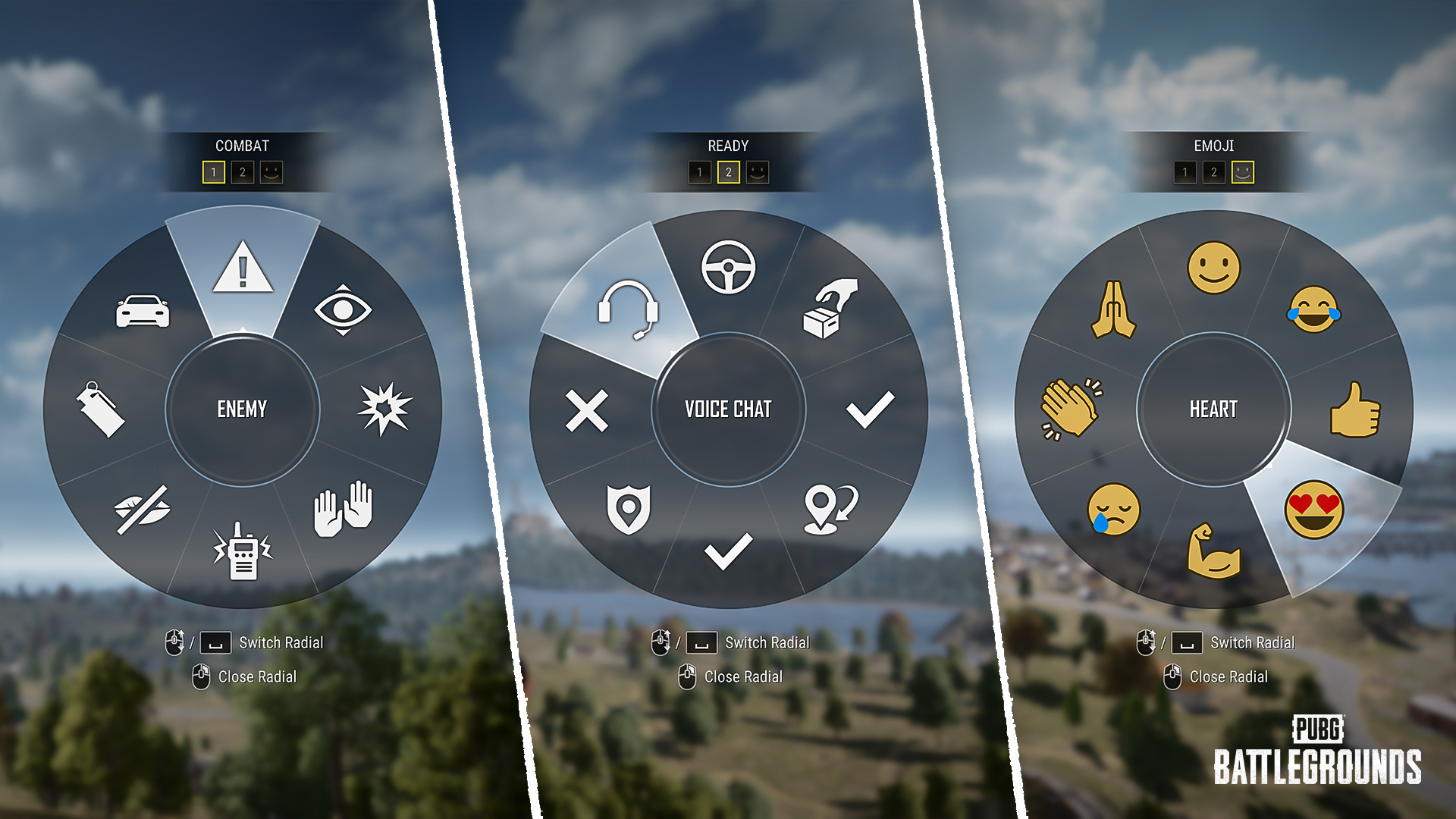
The interface passes stack on top of that. Radio calls move to R3, the message wheel switches to an icon-based radial, and the World Map finally folds Map, Missions and Match Log into a single screen. None of these are headline features, but ergonomics compound: faster pings and fewer menu detours mean quicker in-match decisions, and this is a game routinely decided by a second or two.
The console remaps will cost you a few games
Worth flagging separately, because it is the change most likely to get you killed in your first session back. Several console inputs moved:
- Radio Message moved from L3 to R3.
- Driver/aim mode switching changed from holding R3 to double-pressing R3.
- On Preset Type C, perspective switching moved from holding R3 to holding D-pad Left.
- R3 now places markers on the World Map.
R3 is doing considerably more work than it used to. Muscle memory built over years does not update on patch day, so expect to throw a radio message when you meant to switch perspective at least once. Check your bindings before you queue rather than discovering it in a fight.
Winners, losers, and how the meta settles
The clear winners are newcomers and console players. Casual squads get a gentler learning curve; console gets a responsiveness bump it’s wanted for years. The people with homework are Taego specialists, who’ve essentially been handed a new map to relearn, and anyone whose edge was memorized rotations rather than adaptable ones. Nobody’s genuinely worse off — this is an additive patch — but a chunk of accumulated map knowledge just lost some of its value.
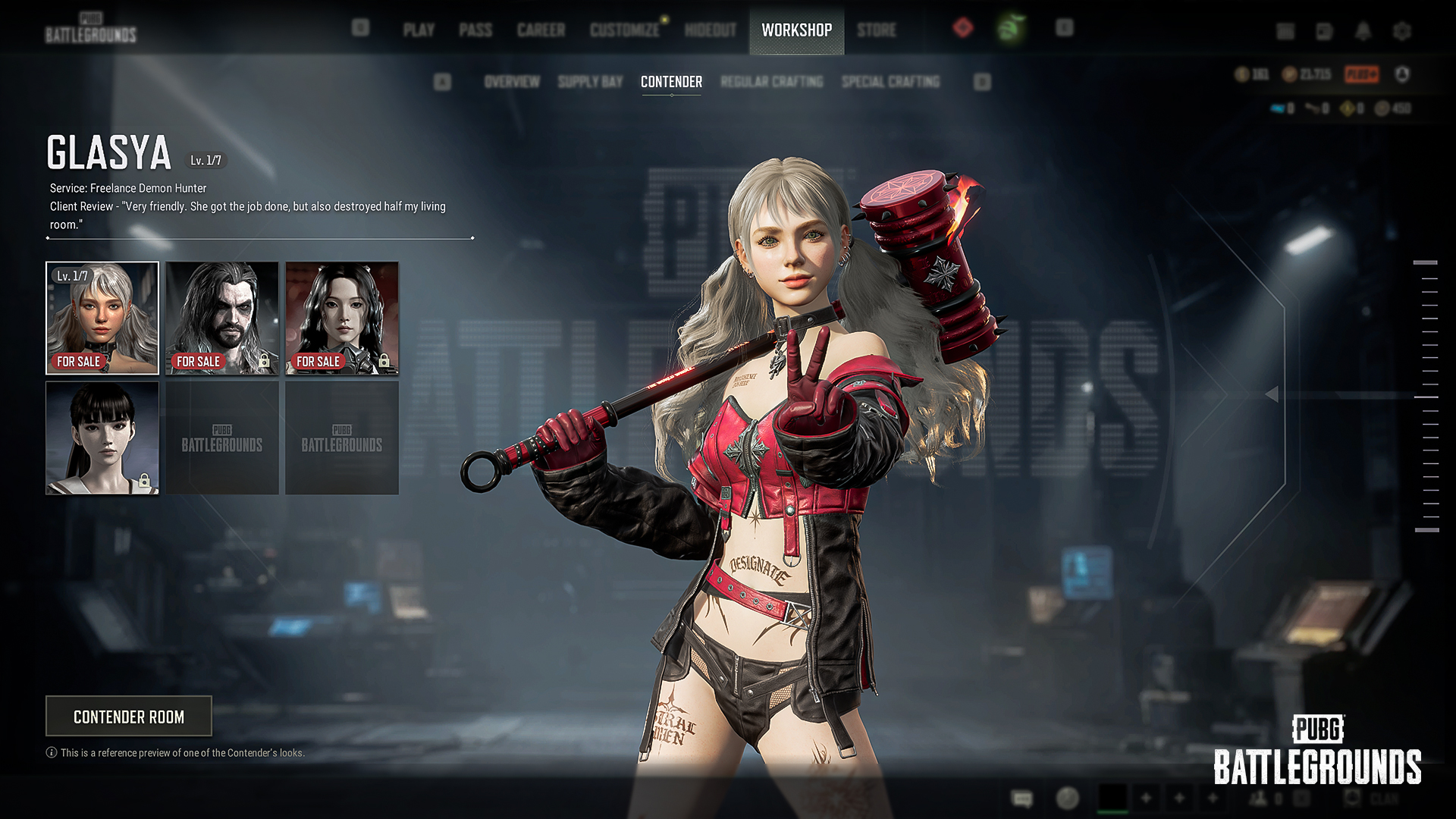
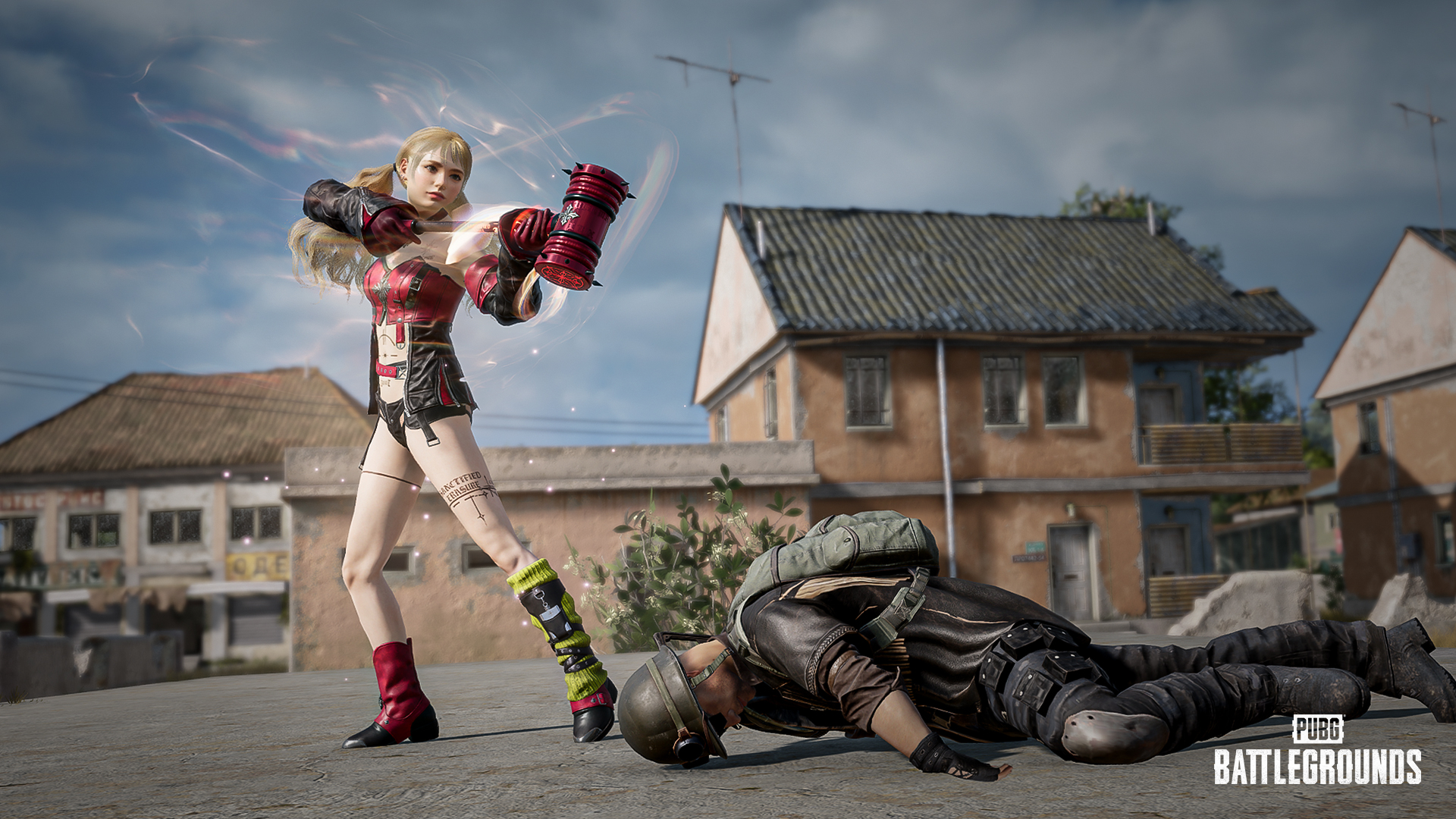
One thing that changes nothing on the scoreboard: Glasya, the new Contender character with her own execution animation. It’s a cosmetic finisher, full stop — nice to watch, irrelevant to how a round actually plays out. I’m noting it so the rundown is complete, not because it moves the needle.
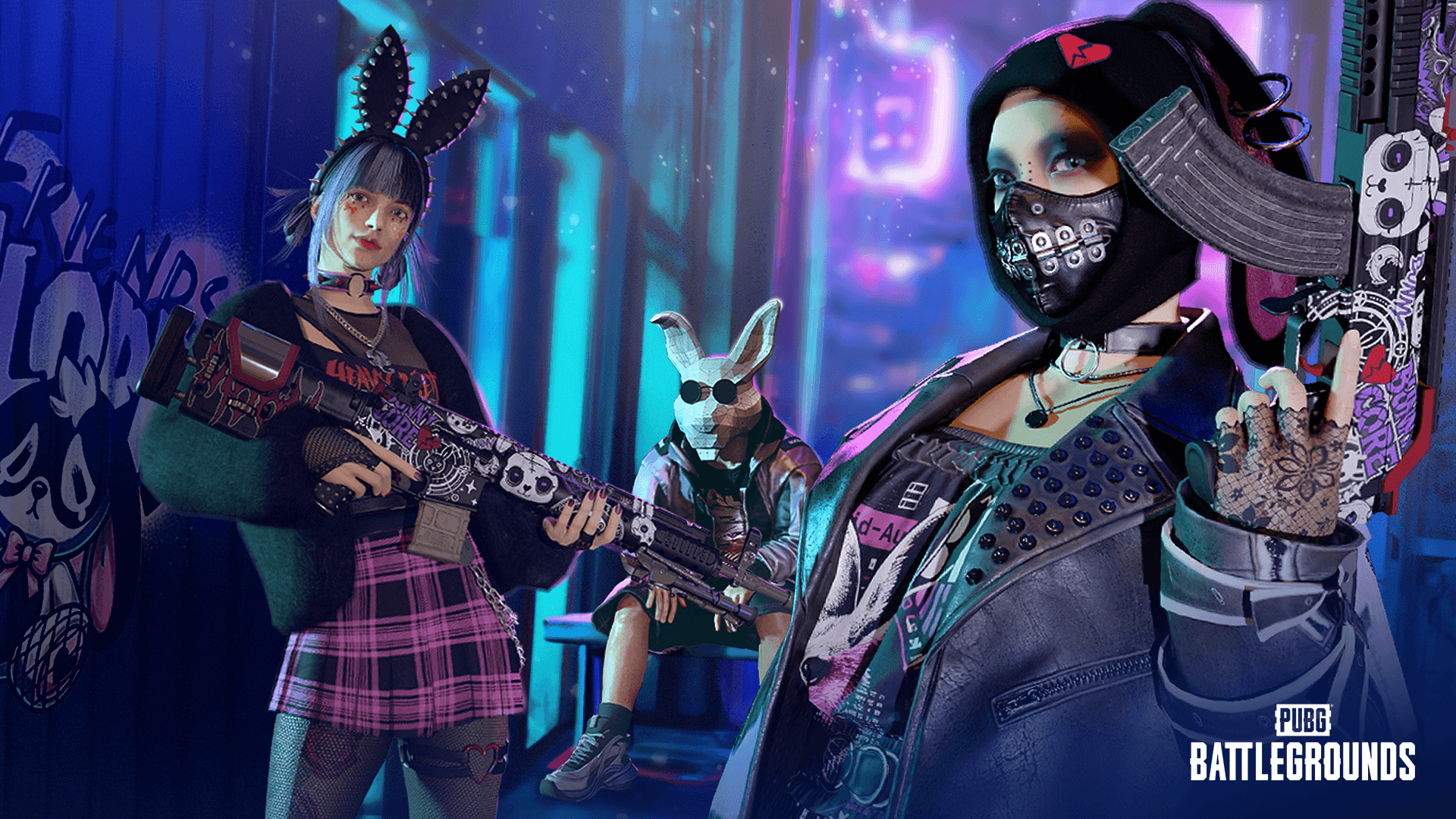
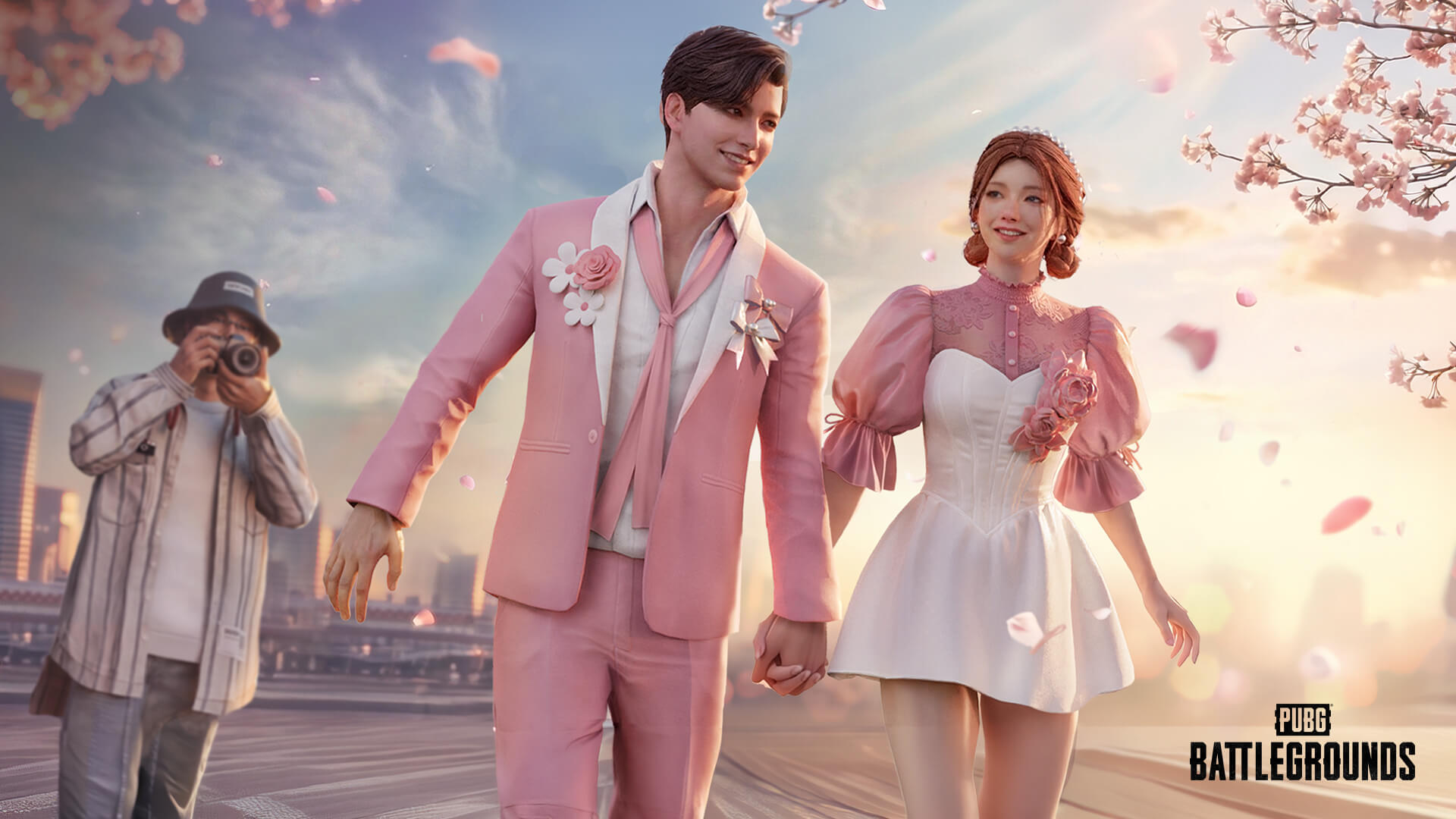
The rest of the cosmetic drop is more of the same season-pass machinery: a Workshop set called “Punk Bunny’s Hoppy Chuseok” paired with the Survivor Pass: Donut Debacle unlock track, and a brand-new Survivor Pass themed “Just Married” for players grinding this season’s cosmetics. None of it touches balance — it’s the store cycle that funds everything above, worth knowing about if you track the shop, not worth chasing if you don’t.
My prediction: the arcade modes quietly lift the mechanical floor over the next month, Taego turns into the flashpoint map again while the community re-solves its routes, and by the following patch nobody’s talking about Basic Training anymore. For an onboarding feature, being forgotten is the point — it means it did its job and got out of the way.
How big is Update 42.2, and where do you download it?
Straight answer on the size: the devs didn’t publish one, so I won’t invent a figure. The update installs through your normal client — Steam on PC, the platform store on console — and there’s nothing 42.2-specific about the patching process. If your download is stuck or crawling, the fixes are the usual unglamorous ones: verify the game files, clear the client’s download cache, restart the client, and confirm you’ve actually got the disk space free. None of that is unique to this patch; it’s just the checklist that clears most PUBG update hiccups.
Official patch log (reference summary)
The block below is a condensed, factual summary of the official Update 42.2 notes, kept separate from the analysis above so you can scan the raw changes on their own. It’s a reference, not my commentary.
Expand the Official Patch Log — PUBG Update 42.2
New player experience
- Basic Training rebuilt as a 17-chapter tutorial covering controls, combat and survival fundamentals, with NPC guidance; about 10 minutes to complete; awards Clear Rank status on completion.
- New 14-day Beginner Training track added for new players, with daily missions.
New and returning modes
- Hot Drop returns as a limited-time arcade mode (24–64 players).
- Solo Deathmatch added as a new first-person (FPP) arcade mode (10–14 players, 10-minute rounds).
Map updates
- Taego: area restructuring and Secret Room changes.
- Rondo: traversal and looting-flow improvements.
- Sanhok: frame-rate optimizations.
Console and UI
- New graphics modes: Resolution Priority (targets 60 FPS) and Framerate Priority (targets 120 FPS).
- Radio messages reassigned to the R3 input.
- World Map redesigned to consolidate Map, Missions and Match Log.
- Message radial reworked to an icon-based layout.
New content
- Glasya added as a new Contender character with an exclusive execution animation.
- Workshop items: “Punk Bunny’s Hoppy Chuseok” and Survivor Pass: Donut Debacle.
- New Survivor Pass: “Just Married”.
Availability
- Platforms: Steam/PC and consoles.
- Release date: July 14, 2026.
- Download size: not disclosed by the developer.
Sources & references
Key art and screenshots are the property of KRAFTON, Inc. and are used here for editorial commentary and identification. PatchNoteHub is an independent site and is not affiliated with or endorsed by KRAFTON. PUBG is a trademark of KRAFTON, Inc.